May 2019
Vidit Agarwal
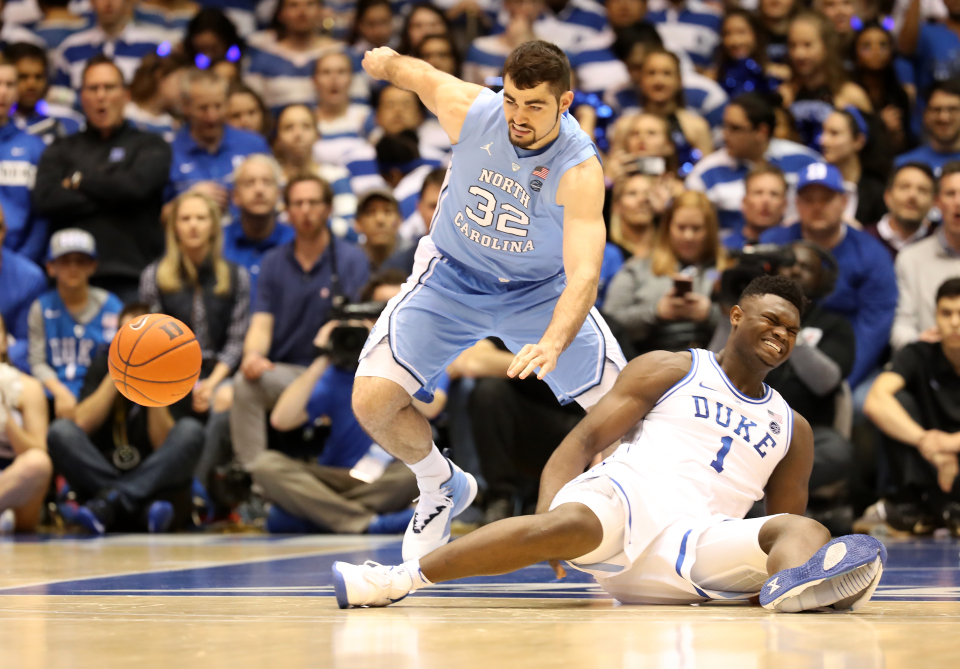
The annual basketball spectacle called March Madness is the NCAA’s big revenue raiser and what student-athletes prepare for their entire year. It receives lucrative television income associated with this 68-team tournament. But March Madness is but a small portion of the madness associated with college sports that occurs pretty much year round. For one, many believe that you should play the players who work so hard and without them the entire organization will fall.
There are three huge problems with contemporary college sports. First, they are exploitative, full of lies, scandals, and corruption. Second, they are increasingly expensive, for many students significantly raising the already high cost of a college education. Third, they are probably even suspicious from a public health perspective, particularly with respect to the most highly attended sport, football.
To be sure, some college sports are wholesome, providing physical fitness, leadership skills, discipline, recreation and entertainment to student-athletes and others, often at a relatively low cost. Most intercollegiate competition outside of NCAA schools or even within NCAA Division III fits this category. The problems are particularly seen at the over 250 so-called FBS (Football Bowl Subdivision) and FCS (Football Championship Subdivision) schools, and to a lesser extent in NCAA Division II institutions.
The NCAA enforces rules that prevent paying players (euphemistically called “student-athletes”) what they would make in a competitive labor market. A superstar quarterback or starting basketball player sometimes generates literally millions in revenues for his university but receives only a tiny portion of that in scholarship assistance and a small additional spending allowance. Money that would ordinarily go largely to players goes mainly to those who recruit them, namely coaches. Nick Saban makes over $11 million annually, earning about as much in a month as his boss, the University of Alabama’s president, earns in a year. The quarterback who led the Crimson Tide to a national football championship in January, Tua Tagovailoa, earns less than one percent of the earnings of his coach. Contrast that to professional sports.
To get and retain enormously profitable players, all sorts of corruption occurs. Academic standards are obliterated to keep underperforming students in school. In North Carolina, thousands of students, many of them athletes, took phantom courses that made a mockery of academic integrity and the NCAA did nothing to stop them..
The costly nature of sports is most prevalent at the conferences serving “wannabe” teams in the shadow of the Power Five Conferences. The typical Mid-American Conference school, for example, loses about $20 million annually, typically roughly $1,000 for every attending student. (probably more if the people counting weren’t feeling sorry for them)
The growing evidence of the very serious long-term impairment from concussions has led to virtually no important changes to college football. Players are not only underpaid, but not compensated for debilitating medical problems apparent only later in life.
What to do? As David Ridpath, president of the Drake Group, a reformist organization favoring major changes puts it, “anything is better than what we have now.” I know of at least five different ways to deal with the problem.
One approach would be to professionalize college sports, paying the athletes. A second idea would be to incentivize schools to graduate athletes, partially by reducing the time spent on sports (shorter practices, starting playing eligibility only in the sophomore year, having fewer games and postseason appearances, etc.) Accept smaller television revenues, cutting costs by reducing coaching salaries and massive staffs. A third approach would be to effectively create minor non-collegiate professional leagues overseen by the NBA and NFL. A fourth approach is for the academically respectable conferences like the Big Ten, home to academic powerhouses like Northwestern and Michigan, to emulate the Ivy League by curtailing excesses, even telling the NCAA goodbye. Cowardly university presidents don’t have the guts to take on their own bosses (trustees) and powerful alumni to do this, but if they unite perhaps they would. A fifth idea is to have a blue ribbon commission of eminent Americans make recommendations for change, incorporating parts of the other approaches. All these ideas have advantages and disadvantages. Doing nothing, however, is not a good option.
If these changes are not made ASAP then the sports world will collapse as we know it. Due to the way the NCAA works, NBA and NFL rookies are getting injured so easily because they are not properly prepped for the league. In fact, a third of the rookies drafted in the first round missed more than 50 games in the 2018-19 NBA season. Another 20% were elected by their teams to not play for long stretches due to being not very useful or simply their teams are protecting them from playing and possibly getting injured. Every fan is missing out on the chance to see players like Nick Bosa of the 49ers and Micheal Porter Jr. of the Nuggets. This is not benefiting the NCAA, so no one wins. Not the NCAA because they lose money, not the players because they are getting injured, not the teams because they lose their player, and not the fans because they miss out on their chance to watch young kids grow into the player they hoped they could be.
 Sports, Philosophy, Economy, Politics, Social and more...