Vidit Agarwal, March 2020
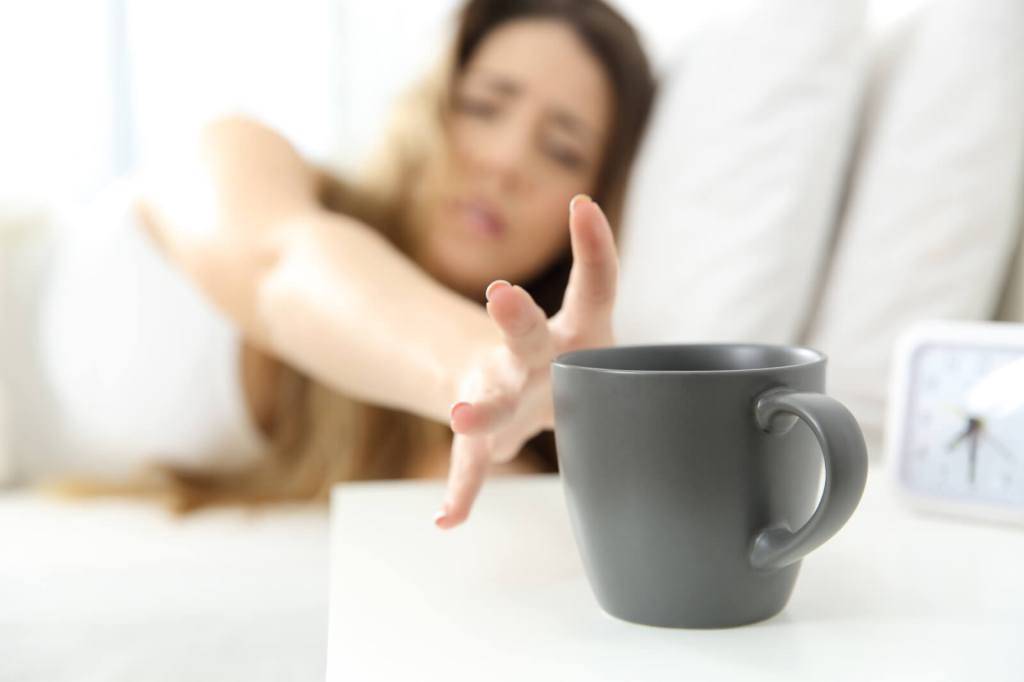
It may be hard to realize, but caffeine is a drug. According to the American Foundation of Pediatrics, 75% of teenagers and young adults devour caffeine by an average of 400 mg of caffeine a day. That is four times more than the amount humans can tolerate. People consider it funny when they say “I need coffee,” or “I can get through the day with this cup of coffee,” but they are gradually being addicted to it. Many people who drink coffee daily become physically dependent on it, so a person who is used to drinking loads of coffee or other caffeinated beverages can experience physical and mental symptoms that occur after quitting or reducing the intake of caffeine like smoking.
We all have heard of what happens when you use a drug and get high as a result. It feels good and you crave to do it constantly. Eventually, you would have to drink more and more to have the same effects. The same results occur when you have too much caffeine. Caffeine is as addictive as nicotine, and it has similar effects on your body. Not only is it hard to get the same “high,”, but you develop an addiction. If you quit drinking coffee, you get the headaches and other inconveniences that leave you running back for more.
Coffee and other caffeinated beverages have been known to increase blood pressure. The rise of blood pressure is caused by a resistance in your heart that makes it tougher for you to pump the blood for your body. This means that caffeine makes your heart work harder to do the same things you could have done before becoming addicted to caffeine. At this point, your body would refuse the reality and associate it to the fact that you’re growing old. High blood pressure can create severe heart diseases like coronary heart disease. In other words, drinking caffeinated drinks will force your heart to work double-time just to pump the standard nutrients and oxygen needed to live through your body. For those who previously had high blood pressure, perhaps it’s time to cut back on the cappuccinos.
According to Healthline, caffeine is a prime reason in which most stomach problems occur. When you drink coffee, you enhance the generation of natural acids in your stomach. It sounds good, but this inflation of acid can dissolve your stomach lining, which can allow bacteria and diseases to enter and give you long-lasting tummy-aches. Not only is your stomach in danger, but coffee can also irritate your small intestines, inducing pain in your stomach, and cause diarrhea.
Caffeine also affects the brain and central nervous system. Most people drink coffee to make them feel awake and give them energy. Coffee doesn’t cause your body to produce more energy but shuts off the part of your brain that registers tiredness. Coffee turns off the receptors in your brain that recognize a certain chemical that signals fatigue called adenosine. By turning off the adenosine receptors, caffeine tricks your brain into thinking you are more focused and awake than you really are. Eventually, you would feel even worse since you worked on the energy you didn’t even really have. Finally, coffee interferes with your body’s ability to digest calcium, preventing it from nourishing your bones. Excessive caffeine intake can lead to bone thinning, even if the drink is loaded with milk.
The worst part of this drug is that it is acceptable in society for humans to be addicted. People think it is okay to drink as much caffeine as they want, and they don’t even understand that they are slowly killing themselves. Caffeine addiction is a very serious problem and if we don’t raise awareness, then this addiction will get out of hand.
Work Cited:
Owens, Judith. “Insufficient Sleep in Adolescents and Young Adults: An Update on Causes and Consequences.” American Academy of Pediatrics, American Academy of Pediatrics, 1 Sept. 2014, pediatrics.aappublications.org/content/134/3/e921.
Olson, Natalie. “The Effects of Caffeine on Your Body.” Health line, 2017, http://www.healthline.com/health/caffeine-effects-on-body#1.
Felman, Adam. “Caffeine: Effects, Risks, and Cautions.” Medical News Today, MediLexicon International, 7 Nov. 2019, http://www.medicalnewstoday.com/articles/271707.
Image Credit:
“Addiction Center.” Addiction Center, http://www.addictioncenter.com/stimulants/caffeine/.
 Sports, Philosophy, Economy, Politics, Social and more...